
Pros and Cons of Bracing Your Dog or Cat
As both a certified animal chiropractor and canine rehabilitation practitioner, I’m frequently asked about braces and support devices for conditions like CCL tears, post-op recovery, hind limb ataxia, knuckling/dragging and back pain.
Bracing in animals is very different (and more complex) than in humans. Most braces need to be custom fit to work properly, which can be costly. With over 200 dog breeds—not to mention mixed breeds—finding the right fit is often challenging, even with multiple size options.
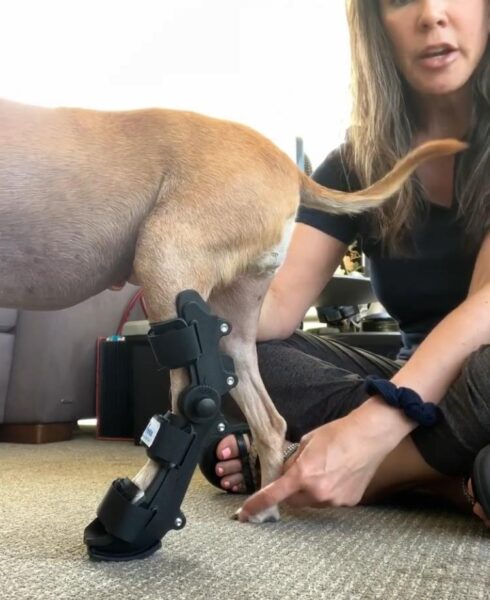
The Role of Bracing – Neurological/Orthopedic Recovery vs. Mechanical Assistance
Braces can provide short-term protection and functional support, but they can also hinder recovery if overused or used at the wrong stage.
Pros
• Protect paws from abrasions/ulcers (especially in draggers)
• Improve functional mobility and confidence
• Assist with ambulation during early recovery
Cons
• Can lead to learned dependence
• May inhibit muscle function (e.g., dorsiflexors with “toe-up” braces)
• Can reduce proprioceptive input, potentially slowing neurological recovery
• Risk of skin irritation, hot spots, or infection if poorly fitted or overused
We want to protect the paws but not replace the brain’s function.
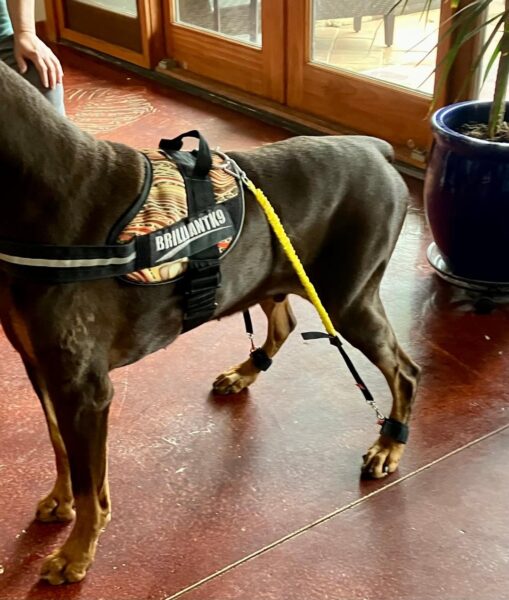
Compliance Challenges
Unlike humans, animals don’t understand why they’re wearing a brace. Many will try to remove or chew it off and even try to (violently) shake it off, especially if it’s uncomfortable or ill-fitting. This can create additional issues like superficial wounds or infections.
________________________________________
Neurological Cases (IVDD, Knuckling, Dragging)
After IVDD surgery, it may seem helpful to use a toe-up brace to prevent dragging. However, overuse can reduce sensory input and delay nerve recovery.
• Helpful for: short-term use, walks, protection
• Not ideal for: constant wear during recovery
________________________________________
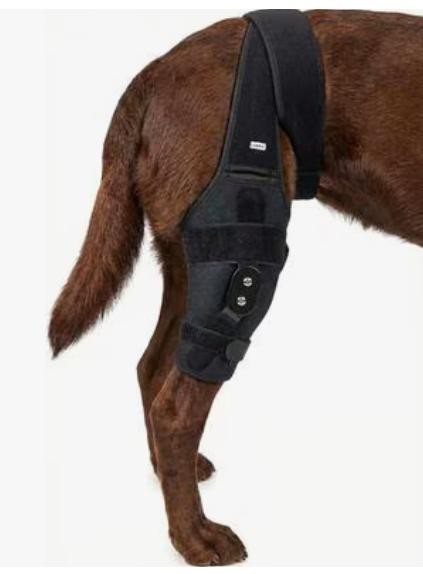
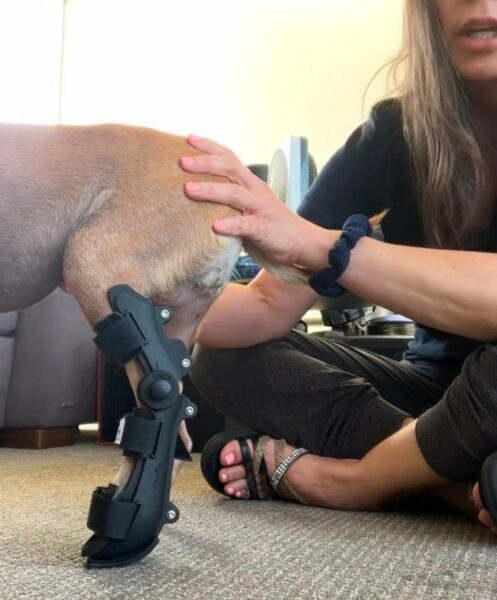
CCL (ACL) Tears
A properly fitted knee brace can:
• Provide temporary stability
• Reduce pain and inflammation
However:
• It does not restore normal biomechanics
• Risk of muscle atrophy and altered gait
• Often a poor long-term solution, especially in active dogs
Carpal Hyperextension
I find this to be one of the most difficult orthopedic conditions in dogs/cats to manage.
Bracing can:
o Prevent collapse of the wrist
o Allow functional weight-bearing
o Delay or avoid surgery
Downsides:
o Muscle weakening over time
o Compensation injuries (especially if one-sided)
o Risk of pressure sores if not properly fitted
o Severe cases may still require surgery
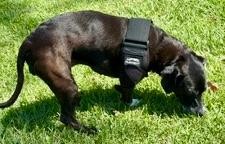
Tarsal (Ankle) Instability
Bracing may help short term or post-op by limiting excessive motion.
However:
• Over-restriction can lead to stiffness, muscle atrophy, and possible joint degeneration
Boots, Toe Grips & Bands
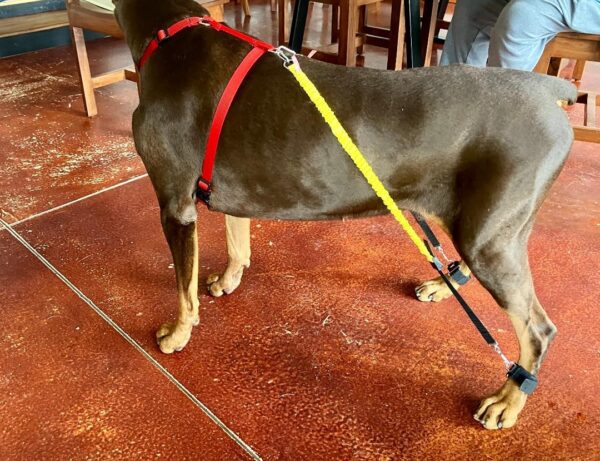
For pets that drag their paws:
• Boots or grips can help prevent wounds and infection
• Useful for outdoor activity
But:
• May increase slipping indoors
• Can trap moisture → skin issues
• May reduce sensory input over time
• Not ideal for having on 24/7
Big Picture
Bracing should assist function—not replace it.
• More cons than pros when overused
• Best used intermittently, not continuously
• More helpful in the acute phase than recovery phase
• Daily skin checks are essential (especially neuro patients and thin-coated breeds)
If your pet needs a brace, it’s often a sign they would benefit even more from rehabilitation therapy. Without proper rehab, the risks of atrophy, delayed recovery, and compensation injuries can outweigh the benefits.
Key Takeaway
Neurological Recovery vs Mechanical Assistance
The nervous system requires:
*Input + Error + Correction
*Bracing reduces error… but it can also reduce learning.
MAR Animal Rehabilitation & Chiropractic “Your Pet’s Path to Recovery”